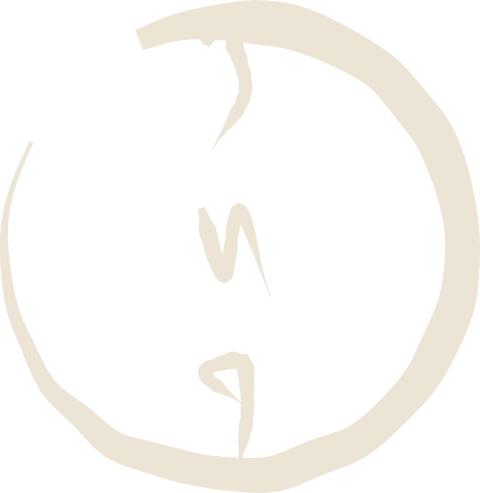
The script of Silent Art Echoes
Nashara
Nashara is the language of Silent Art Echoes: a script imagined between two calligraphic worlds. From Phoenician it takes its bones, a compact alphabet cut to be carved in stone. From Japanese it takes its breath, the discipline of the brush and the stroke that thins as it lifts.
It is neither Semitic nor Japanese. Every letter exists in two hands. The Stone Hand is cut and geometric, made for permanence. The Water Hand is the same skeleton written with a loaded brush: a pooled entry, a living body, a tapered flick.
Seventeen consonants, five vowel marks and a breath carrier: twenty-three shapes, and you can write everything.
Words die. Echoes remain. The first saying of Nashara.
 The Water Hand.
The words in the titles
Written in the modern hand, left to right, as in the Nashara lexicon. Under each word, the works whose titles carry it.
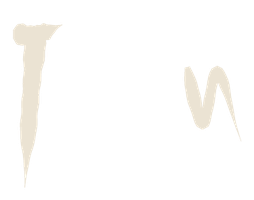
Ašfire
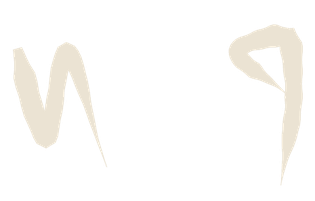
Šarasun
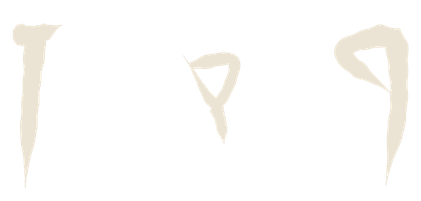
Adraearth
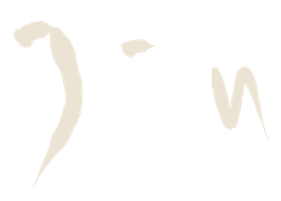
Nešsoul
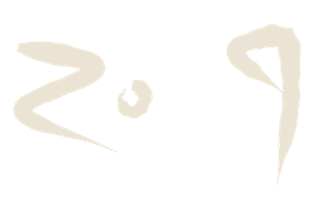
Sorasky
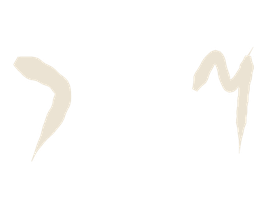
Yamsea
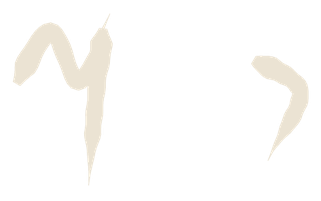
Mayawater
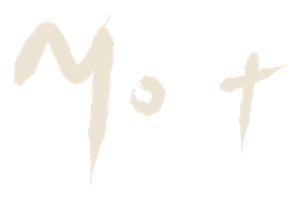
Motdeath
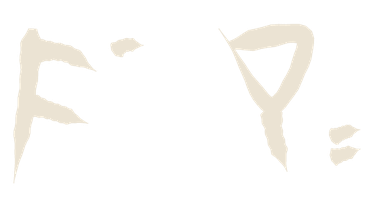
Heduecho
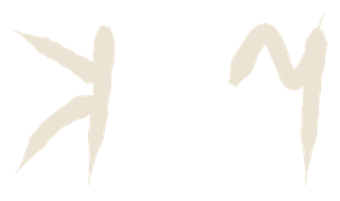
Kamato remain
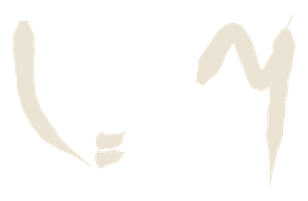
Lumanight
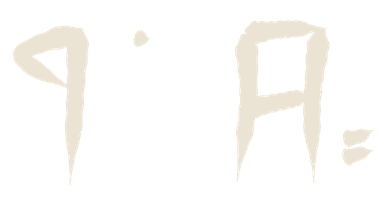
Riḥuwind
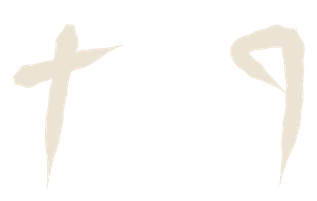
Taramountain
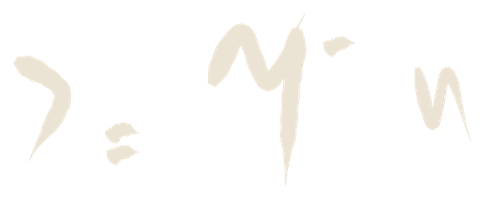
Yumešdream
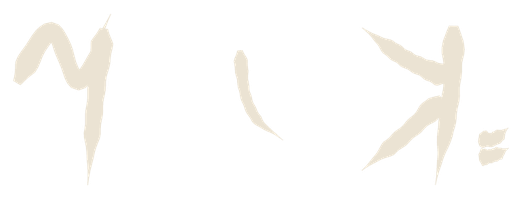
Malkuking
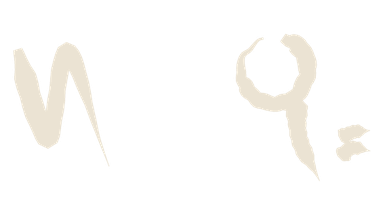
Šaqusilence
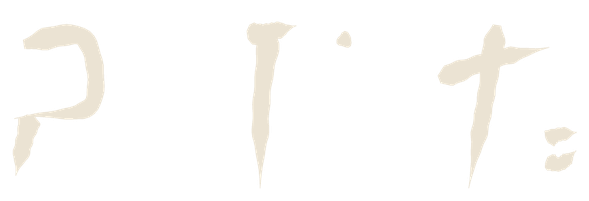
Baituhome
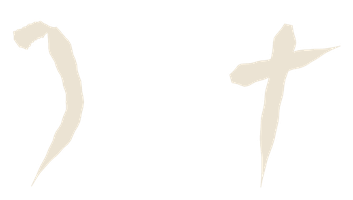
Natato leave
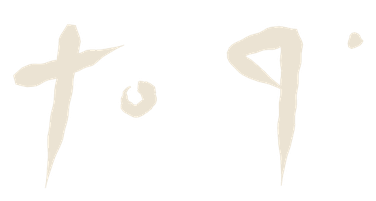
Toribird
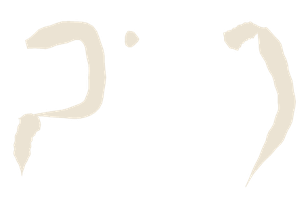
Binawisdom
How the titles are built
Subject, then object, then verb. Four small particles do the rest.
- -na
- the topic, what we speak about
- -ki
- of, binds owner to owned
- -ru
- at, in: place and time
- -a
- done, completes a verb
- la-
- not, before the verb
A first poem
In the sea, in the wind —
I left my words in silence;
the echo understood.